
Custom vs. Pre-Built Themes: What’s Right for Your Brand?
A website theme does more than primp your site. It determines your customers’ trust in your brand, influences your site speed, and ultimately impacts your revenue.
Choosing a theme is not as easy as it sounds. It is a tough decision to decide whether to have a custom theme developed for your site or a pre-made theme ready to use out of the box. Then there is also your budget, development timeline, and growth goals to consider.
Let’s take a look at how each choice impacts your business.
What’s the difference, anyway?
Custom themes are built from scratch for your brand alone. No one else has the same look or setup. A developer creates every component based on your business’s actual needs.
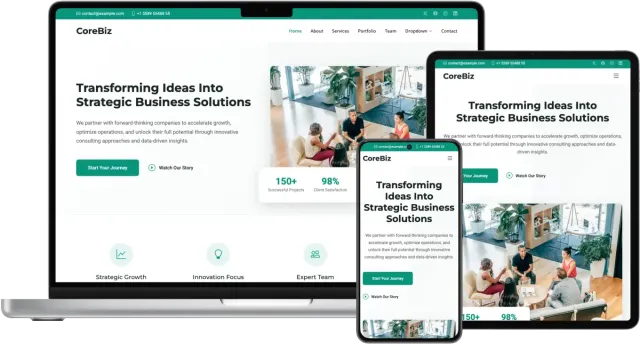
Pre-built themes come ready to use from theme marketplaces. You buy it, add your content, and launch. However, note that many businesses may use the same template.
The real difference is that a custom gives you a lot of control, and a pre-built gives you speed.
How each option affects your business
Brand uniqueness
With custom themes, you have control over every visual detail. It ranges from the shape of your buttons to the layout of your menus. Your site could stand out because it’s built just for you.
Pre-built themes may still look good; however, there is always a catch. What theme did you find that looked amazing? Your competitors may be using it as well. This means you will have to work much harder to make your brand stand out.
Features that fit
Custom themes shine when you need exact features—for example, a special booking system or a unique product display. Custom development builds exactly what you need.
Pre-built themes, on the other hand, cover common needs well. But once you need something unusual, you’ll have to add extra plugins or create workarounds. And this might get messy fast.
Speed and search ranking
Since custom themes only include code you actually use, they tend to load faster. Google ranks faster sites higher, and visitors are less likely to leave for a faster competitor.
Pre-built themes often include many options and features that you’ll likely never use. Those themes can contain a lot of code, which can slow down your site. Some premium pre-built themes are optimized better, but always check their speed ratings.
Keeping your site secure
Since custom themes are less readily available than prebuilt themes, they can provide stronger security controls. The code can be modified to meet your requirements and to improve security.
However, prebuilt themes, especially popular ones, are more likely to attract hackers. Your security depends on how often the theme company monitors and resolves security issues to keep your theme up to date.
The money question: costs now vs. costs later
Custom themes start at $3,000 and can range up to $10,000+, depending on complexity. But the truth is that a lower upfront cost can lead to higher expenses later.
Many businesses outgrow their pre-built themes. Then come the extra costs: paid plugins, developer time for customizations, or a complete rebuild when you hit the limits!
What happens when your business grows?

This is where custom themes really shine. As you add new services, new locations, or new sales channels, a custom theme adapts more smoothly.
Pre-built themes work fine until they don’t. The limits show up when you need larger changes, such as adding membership areas, implementing complex product filters, or expanding to multiple languages.
At some point, fast-growing companies usually switch to custom. So the question is: start there or switch later?